By Abby Fontaine
When I was younger, my older brother had a pair of Superman pyjamas that I loved. They matched Superman’s costume completely, including the cape, which made the pajamas even cooler. My brother would run through the house with the red cape flying out behind him, and I got jealous. Soon enough, I learned to make my own cape from my pink blanket and followed him around. I remember waiting anxiously for the day he outgrew them and they were put into our storage closet full of potential hand-me-downs.
As soon as I was big enough, I wore those pyjamas whenever I could, day or night. However, time flew faster than Superman, and the pyjamas were soon too small for me. From then on, I had only girly pyjamas. My superhero days were over, until this Christmas when my sister gave me adult-sized Batman footie pyjamas, complete with a cape.
I used to love pretending to be a superhero. It was amazing to think that I could have super strength or super speed. With the current releases of all the fantastic Marvel movies, my nerdy love for classic comic book heroes has been renewed and invigorated. Only now, I’m more aware of important equality issues when it comes to representations of men and women. And in the superhero world, things are very far from equal.
Recently, I’ve been playing a two-person video game called “Injustice: Gods Among Us.” The game has a huge collection of superheroes that you can choose from and then fight with in one-on-one battle. At first, I thought it would be awesome to play as a female superhero. Although, when I choose a female character, it’s disappointing. She is always at a distinct disadvantage because she’s just not as powerful. As a result, I’ve learned to love the cooler male characters.
Along with differences in power, there are obvious differences in depictions and costumes. Women’s costumes consist of minimal material and the focus is on the body rather than on power—breasts are clearly emphasized and exaggerated. Yes, men are in tights and have defined muscles, but male characters’ costumes cover all. The contrast is so annoying and so obvious.
By objectifying these powerful women, the game makers lessen their imposing presence and powers.
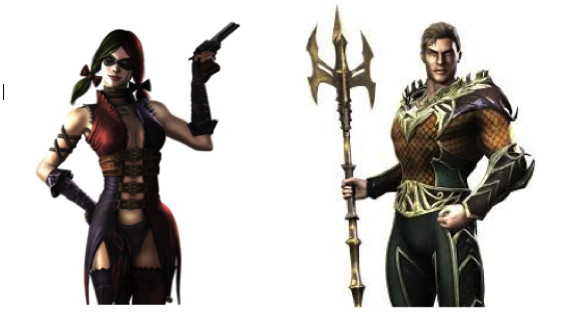
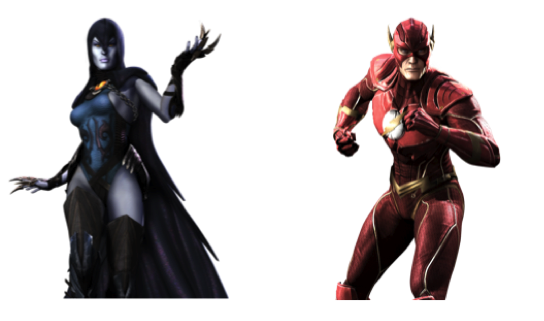
If the male characters were to dress in a similar way, the result would be comical rather than sexual. The problem here is the disparity: female characters’ costumes aren’t viewed by society in the same way. Women are effortlessly and commonly objectified, while men in similar costumes invite uproarious laughter. We can use this humor to our advantage to highlight the inequality and to help consumers abandon their blind acceptance of these inconsistencies. Better yet, how about some female characters fully and appropriately clothed to kick ass?